
Sri Lanka
A land like no other
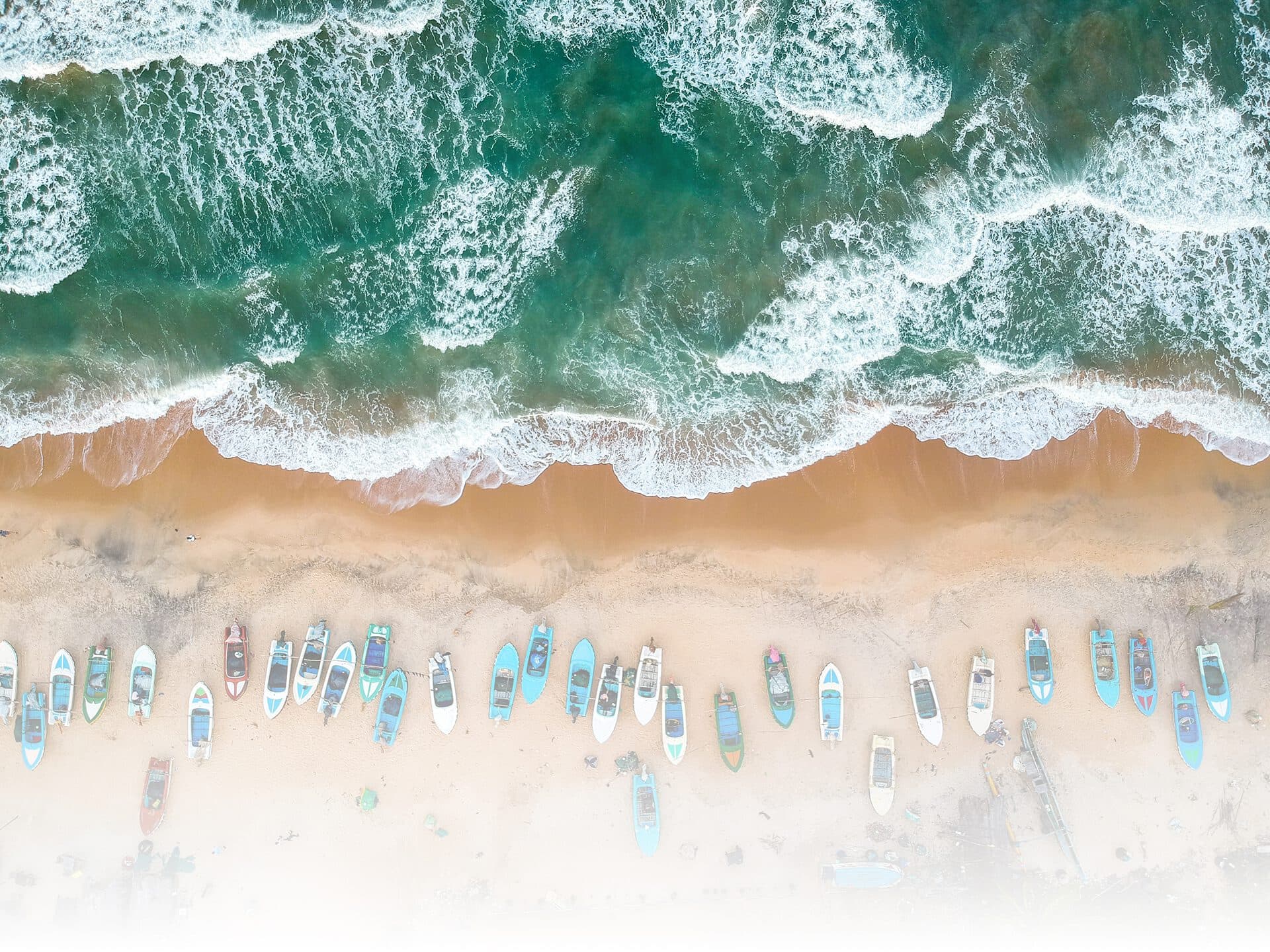
Nestled in South East Asia, Sri Lanka shines as one of the Indian Ocean's premier travel destinations. Renowned for its rich culture and vibrant traditions, this tropical paradise offers unforgettable experiences for every traveller.
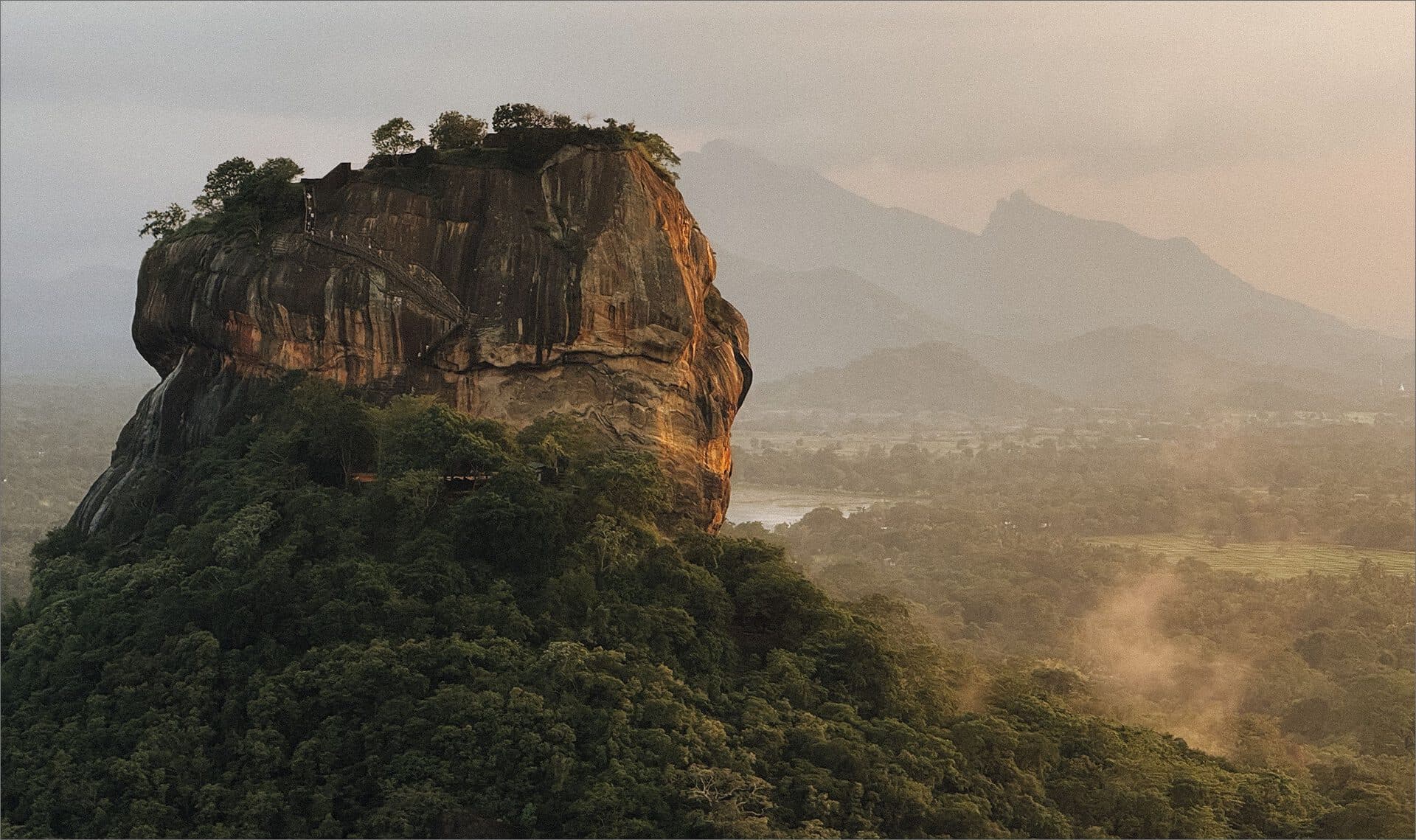
From scaling the majestic Sigiriya Rock Fortress to swimming in the refreshing waters of Arugam Bay, the Pearl of the Indian Ocean never ceases to amaze. Immerse yourself in its colourful festivals, explore its cultural heritage, and embrace the serenity of its breathtaking landscapes.
Sri Lanka invites you to discover a world of adventure, tranquility, and timeless charm.
Visa information
Obtaining a visa
OnlineApply several days before arrival through the official electronic visa portal. Complete the application, pay by credit or debit card, and print the approval confirmation once issued.
Embassies and on arrivalVisas can also be obtained at Sri Lankan embassies abroad. For travellers arriving without a visa, a counter is available at Bandaranaike International Airport. However, expect long waits and a higher fee of USD 40.
Transit and visitor visas
- Transit visas valid for up to 48 hours are issued free of charge.
- Visitor visas for 30 days range from USD 25 to USD 100 depending on nationality.
- Applications should be submitted in advance online via the official portal.
Visa extensions
- A 30-day tourist visa can be extended twice, each for an additional 30 days.
- Extensions are processed through the Department of Immigration and Emigration. While straightforward, the procedure involves paperwork and can take several hours. Arriving by 10:00 a.m. is recommended to complete the process on the same day.
Travel
insurance
Before visiting Sri Lanka, it is strongly recommended to arrange travel insurance, unless you are certain that your existing health coverage extends overseas. Carry a copy of your policy as proof of coverage.
Although medical costs in Sri Lanka are generally lower than in many other countries, insurance ensures peace of mind and protection against unexpected situations such as:
- Flight cancellations
- Emergency medical treatment or transportation
- Hospital expenses
- Lost or stolen belongings
Travel insurance helps you enjoy your journey with confidence, knowing you are prepared for any eventuality.
Health and safety
Travel in Sri Lanka is generally safe, and most visitors encounter nothing more than minor issues such as an upset stomach. Concerns about infectious diseases are common, but healthy travellers rarely experience anything serious.
Climate in Sri Lanka
High season
The Hill Country and the beaches of the west and south are at their driest and busiest. Accommodation is in high demand, and prices peak. Meanwhile, the Maha monsoon (October to January) keeps the East, North, and ancient cities wetter.
Low season
During the Yala monsoon, rain falls across the south, west, and Hill Country, while the North and East enjoy the best weather. This is the most affordable time to travel, with nationwide prices at their lowest.
Shoulder season
April and September generally bring favourable weather across the island. Mid April's New Year celebrations create heavy demand for transport, but outside of that, it is an excellent time to explore freely without a fixed schedule.
Geography
An island nation in the Indian Ocean just south of India, with Colombo as its most populous city.
- 65,610km²
- 8,281ft
- 21million
- Kotte
Good to know
when visiting
Sri Lanka
Sri Lanka is easy to explore, but keeping a few cultural guidelines in mind will make your journey smoother.
- Remove shoes and hats before entering. Socks are acceptable for walking on hot pavements.
- Cover shoulders, arms, and legs when visiting temples, as required.
- Avoid posing with your back to a statue, as this is considered disrespectful.
- Tattoos or clothing featuring Buddha images are prohibited and may lead to arrest or deportation.
- Always ask permission before photographing people. Some, like the stilt fishermen at Koggala, may request payment.
- Nude or topless sunbathing is not permitted.
- Displays of affection in public are discouraged.
- The left hand is considered unclean, so use your right hand or both hands when offering or receiving items.
What to bring for your
Sri Lanka trip
Essentials
- Earplugs: handy for ensuring restful sleep.
- Mosquito repellent: essential, as good brands are hard to find locally.
- Sunscreen: another item that is surprisingly scarce in Sri Lanka.
- Tampons: difficult to source outside Colombo, so best to pack your own.
- Extra phone charging cables: not easily available in remote areas.
Clothing
- Shorts and T-shirts are suitable for most occasions, but swimwear should be reserved for tourist beaches.
- When visiting temples, cover your shoulders and arms, and wear a long skirt, sarong, or light trousers. Sandals are ideal, especially since they can be slipped off quickly at temple entrances.
- A slightly dressy outfit may be useful for fine dining in Colombo.
Weather
- A lightweight waterproof jacket or poncho is perfect for sudden tropical showers.
- Pack a warm layer if you plan to spend time in the cooler mountain regions.
